Categories
Adolescent Treatments

Coping Skills Training

As they grow and develop, all children encounter situations where they feel worried, nervous and sometimes even scared. Some behaviours are not helpful to humans such as aggression and impulsive behaviours. However aggressive and impulsive behaviour are often used by children in response to stress.

Coping skills are what we think and what we do to help us get through difficult situations. A child begins to learn and use different coping skills from the time they are born. Through Coping skills training, one can build on the skills they are already using, as well as assist them to learn new ones.

It includes interventions aimed at increasing an individual’s ability to manage a variety of often uncomfortable or anxiety-provoking situations, ranging from relatively normal or situational problems (e.g., test taking, divorce) to diagnosed disorders (e.g., phobias). It also explores on how to help the child manage strong emotions, promote helpful thinking and assist them to break down tasks into smaller, manageable chunks.

The types of skills taught are tailored to the individuals as well as the situation and can involve increasing cognitive, behavioural, and affective proficiencies.

Categories
Adolescent Treatments

Acceptance & Commintment Therapy

Acceptance and Commitment Therapy (ACT) is a form of psychotherapy that focuses on promoting psychological flexibility and helping individuals live meaningful lives. ACT is based on the premise that psychological suffering arises from the struggle to control or avoid unpleasant thoughts, emotions, and experiences. Instead of attempting to eliminate or suppress these negative experiences, ACT encourages individuals to accept them as normal and inevitable parts of human existence.

The primary goal is to develop psychological flexibility, which involves being fully present in the present moment, open to experiences, and committed to taking action in alignment with personal values. ACT aims to enhance individuals’ psychological well-being by fostering acceptance, mindfulness, and values-driven action. It has been successfully applied to various mental health conditions, including anxiety disorders, depression, substance abuse, chronic pain, and interpersonal difficulties.

ACT employs various therapeutic techniques and exercises to help individuals develop psychological flexibility and apply these principles in their daily lives. These techniques may include mindfulness meditation, experiential exercises, metaphors, values-based goal setting, and behaviour change strategies.

Objectives:

Acceptance
Cognitive Defusion
Being Present
Self-as-Context
Values Clarification
Committed Action

Categories
Adolescent Treatments

SOCIAL SKILL TRAINING

Social skills represent a set of competencies that

(1) facilitate initiating and maintaining positive social relationships,

(2) contribute to peer acceptance and friendship development,

(3) result in satisfactory school adjustment, and

(4) allow individuals to cope with and adapt to the demands of the

social environment. Deficits in social skills play a significant role in the development and maintenance of many emotional and behavioural disorders of childhood and adolescence. Social skills training is a form of behaviour therapy used by therapists to help persons who have difficulties relating to other people. The major goal of social skills training is teaching children and young adults about the verbal as well as nonverbal behaviours involved in social interactions to improve the person’s ability to perceive and act on social cues.  Therapists begin by breaking down complex social behaviours into smaller portions.  A common focus is the improvement of communication skills. The skills might be divided further into such subjects as beginning, holding, and ending conversations, or expressing feelings in appropriate ways. Social skills training is considered a widely accepted component of multi-method approaches to the treatment of many emotional, behavioural and developmental disorders.

Categories
Children Treatments

Psychoeducation

Children’s problems are often ignored or misinterpreted. The symptoms of children’s problems are largely unknown by parents. They often rely on sources of information that may not provide them with genuine information. Wrong approaches to children’s problems can delay diagnosis and proper treatment of the child’s problem. Psychoeducation provides parents with information regarding the child’s problem. It includes a discussion about the symptoms, causes and treatment procedures. It empowers the family members so that they can deal with the children’s problems in the proper way. It is applicable in all childhood problems like Autism, Attention-Deficit Hyperactivity Disorder, Learning Disability, Conduct Disorder and Oppositional Defiant Disorder to name a few.

Categories
Children Treatments

Psychometric Assessment

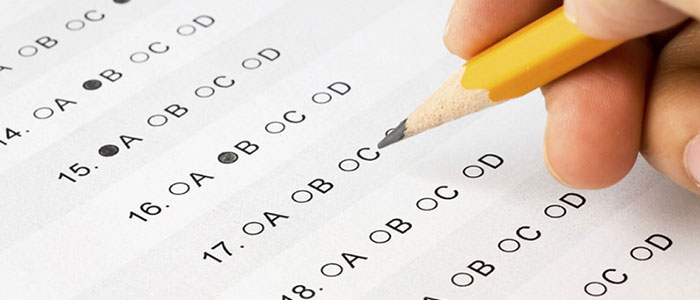
Psychological problems just like physical problems require formal testing. This is necessary for the purpose of diagnosis and treatment. Formal testing helps the psychologist or counsellor to gain more insight into the child’s problem and understand the severity of his symptoms. Children are evaluated on intelligence, aptitude, interest, temperament, careerandneuropsychological aspects.

Categories
Children Treatments

Medication

Medication can help reduce symptoms of inattentiveness, hyperactivity, impulsivity, depression and schizophrenia in children. Different children respond differently to psychiatric medication. Some improve drastically and some experience relatively modest benefits. Medication for each individual needs to be tailored to the child’s needs and monitored by a psychiatrist. Our psychiatrists do a thorough evaluation of the child’s problems and prescribe medication with care.

Categories
Children Treatments

Behaviour Therapy

The goal of behaviour therapy focuses on increasing the child’s engagement in positive or rewarding activities. It also aims at eliminating undesirable behaviour and children. Behavioural problems in children such asanxiety related problems, depression andbed wetting can be altered with the help of behaviour therapy.

Categories
Children Treatments

Cognitive Behaviour Therapy in Children

Cognitive behaviour in children refers to the way children think, perceive, interpret, and respond to the world around them. It encompasses their thoughts, beliefs, attitudes, and the connection between their thoughts and behaviours. Cognitive behaviour in children is influenced by various factors such as their individual experiences, social interactions, genetic predispositions, and environmental factors. Cognitive-behavioural therapy (CBT) is an approach that focuses on understanding and modifying these cognitive and behavioural patterns in children. It is based on the idea that thoughts, feelings, and behaviours are interconnected and that changing one aspect can lead to changes in others.

Here are some key aspects of cognitive behaviour in children:

  • Thoughts and Beliefs: Children develop thoughts and beliefs about themselves, others, and the world around them. These thoughts can be positive, negative, realistic, or distorted
  • Cognitive Processes: These processes influence how they perceive and interpret situations, make decisions, and solve problems. For instance, a child’s attention may be easily distracted or selectively focused on negative aspects.
  • Emotional Responses: Children’s thoughts and beliefs influence their emotional responses. Conversely, positive thoughts can lead to feelings of happiness and contentment.
  • Behavioural Reactions: Behavioural reactions can be adaptive or maladaptive, and CBT aims to help children develop more effective coping strategies.
  • Cognitive Distortions: Common cognitive distortions in children include all-or-nothing thinking (seeing things as black or white), overgeneralization (drawing broad conclusions from a single event), and catastrophizing (expecting the worst outcome).

Cognitive-behavioural therapy for children involves helping them identify and challenge their negative or distorted thoughts, develop more realistic and positive beliefs, and learn new coping skills. Therapists often use various techniques such as cognitive restructuring, problem-solving, behavioural experiments, and relaxation exercises to facilitate change.

By addressing cognitive behaviour in children, CBT can help improve their emotional well-being, reduce symptoms of anxiety or depression, enhance problem-solving skills, and promote more positive and adaptive behaviours.

Categories
Children Treatments

Family Therapy in Children

Family therapy is a type of psychological counselling (psychotherapy) that can help family members improve communication and resolve conflicts. Family therapy is usually provided by a psychologist, clinical social worker or licensed therapist. Family therapy can help you improve troubled relationships with your partner, children or other family members. You may address specific issues such as marital or financial problems, conflict between parents and children, or the impact of substance abuse or a mental illness on the entire family.

Therapy can help with situations such as:

  • Adjusting to a new life change (like moving) or a medical condition.
  • Changes and challenges that come with aging.
  • Death and grief.
  • Relationship conflicts, such as parent-child conflict or sibling conflict.

What Family Therapy Can Help With

Family therapy can help people with many different issues. Some of these include:

  • Behavioural problems in children or teens
  • Changes within the family
  • Communication problems
  • Death of loved one
  • Divorce, separation, or marital problems
  • Parent-child conflicts
  • Problems between siblings
  • Parenting issues
  • Stressful events or major life transitions
  • Trauma
Categories
Children Treatments

Speech Therapy

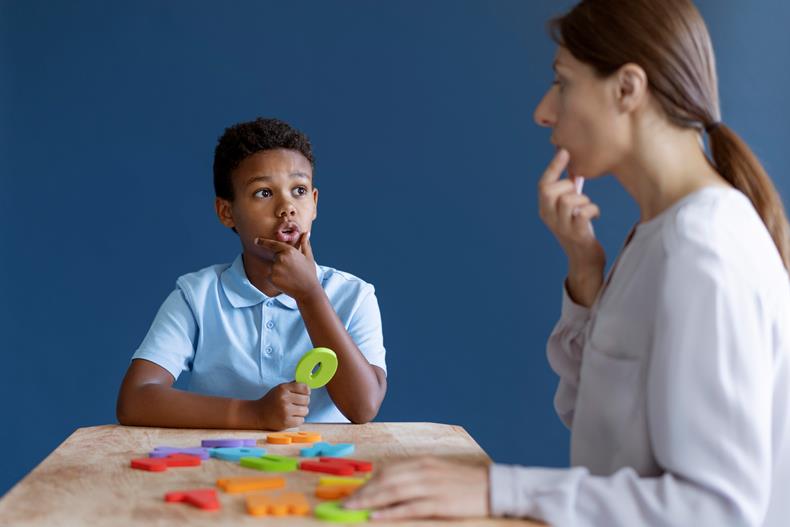
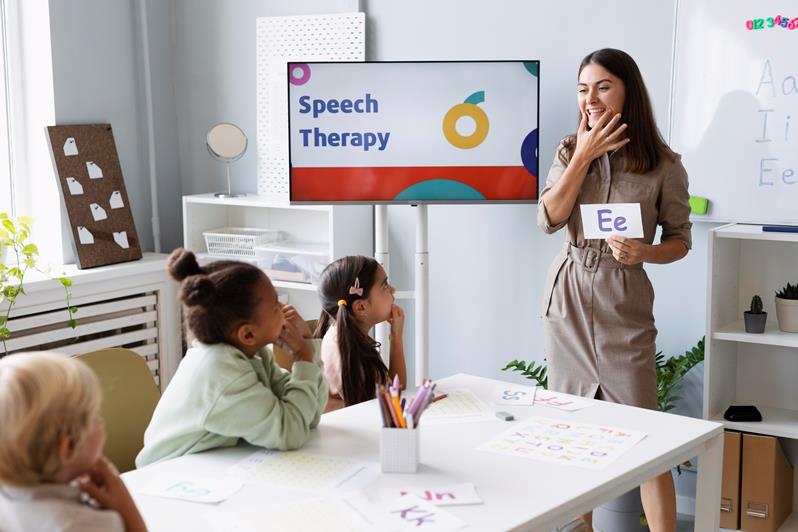
Speech therapy is an intervention service that focuses on improving a child’s speech and abilities to understand and express language, including nonverbal language. Speech therapists, or more appropriately termed a speech-language pathologist (SLP), are professionals educated in the study of human communication, its development, and its disorders. They are professionals who provide these services. Speech and language pathologists not only assess and treat for articulation, language and cognitive difficulties, but some also focus on swallowing and feeding.

Speech therapy includes two components:

  1. coordinating the mouth to produce sounds to form words and sentences (to address articulation, fluency, and voice volume regulation)
  2. understanding and expressing language (to address the use of language through written, pictorial, body, and sign forms, and the use of language through alternative communication systems such as social media, computers, and iPads).